Understanding Flat Roofs and Parapet Homes in El Paso
Flat roofs and parapet-style homes are common throughout El Paso, particularly in older residential neighborhoods and modern commercial properties. A parapet is the extended wall that rises above the roofline, creating that distinctive flat-topped appearance. While this architectural style offers aesthetic appeal and can maximize usable space, it presents specific thermal challenges that many homeowners don't fully understand until their energy bills spike during summer or winter.
The fundamental problem with flat roofs is that they expose a large surface area directly to the harsh El Paso sun. During summer months, temperatures on a flat roof surface can exceed 180 degrees Fahrenheit, radiating intense heat into the living spaces below. In winter, this same flat surface becomes a thermal escape route, allowing warm air to dissipate into the cold night sky. Traditional insulation methods often fall short because they cannot create a truly seamless, air-tight barrier across the entire roof assembly. This is where Closed Cell Spray Foam Insulation enters the conversation, offering homeowners a more effective solution than fiberglass batts or blown-in cellulose.
What Closed Cell Spray Foam Can Accomplish
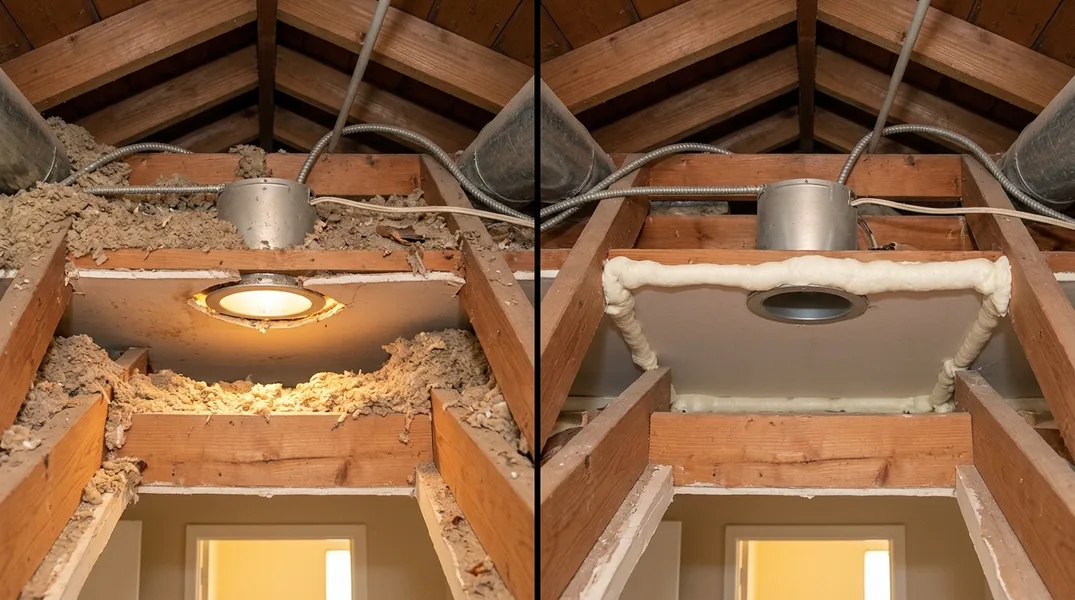
Closed Cell Spray Foam Insulation excels at creating an airtight thermal barrier on flat roofs because it expands to fill every cavity, crack, and void in the roof assembly. When applied correctly, closed cell foam bonds directly to the roof deck, creating a monolithic insulation layer with virtually no seams or gaps where air can leak through. This seamless application is especially valuable for parapet homes, where the intersection of walls and roof creates complex geometric challenges that traditional insulation simply cannot address effectively.
The spray foam r value for closed cell foam typically ranges from 6.0 to 7.0 per inch, meaning a 4-inch application delivers an R-value of approximately 24 to 28. This high R-value performance, combined with the material's inherent moisture resistance, makes closed cell foam ideal for flat roof applications where water intrusion is a persistent risk in El Paso's occasional heavy rains. The foam's closed-cell structure actually repels water rather than absorbing it, protecting the underlying roof structure from rot and decay. Additionally, closed cell foam provides structural support to the roof deck, adding rigidity that can help prevent sagging over time.
Energy savings are another measurable benefit. Homeowners with properly insulated flat roofs using closed cell spray foam report 15 to 30 percent reductions in cooling costs during summer months. This translates to meaningful savings on monthly utility bills, especially in the desert climate where air conditioning runs nearly year-round. The investment in quality Closed Cell Spray Foam Insulation typically pays for itself within 5 to 7 years through energy savings alone.
Common Spray Foam Insulation Problems You Should Know About
Despite its many advantages, spray foam insulation problems do exist, and homeowners should understand these limitations before committing to a roof spray foam project. One significant issue is improper application. If the foam is sprayed too quickly, applied in incorrect temperature conditions, or applied by inexperienced technicians, it can fail to cure properly, resulting in soft spots, inadequate R-value performance, or premature degradation. This is why choosing a qualified contractor with proven experience is critical to project success.
Another common problem involves moisture management. While closed cell foam resists water absorption, if the foam is applied directly to a wet or damp roof deck, it can trap moisture underneath, leading to mold growth and structural damage that remains hidden until significant harm has occurred. Additionally, some homeowners experience issues with foam adhesion if the roof surface isn't properly cleaned and prepared before application. Dust, debris, or old roofing materials can prevent the foam from bonding securely, compromising the integrity of the entire insulation system.
Thermal bridging through roof penetrations (vents, electrical conduits, skylights) is another real limitation. Even with spray foam, these penetrations can create pathways for heat transfer if they're not carefully sealed and insulated. Finally, some jurisdictions have specific building codes regarding spray foam applications on roofs, particularly regarding fire ratings and vapor permeability. Working with contractors familiar with local requirements helps avoid costly corrections after installation.
What Spray Foam Cannot Do on Flat Roofs
It's important to set realistic expectations about what spray foam insulation can and cannot accomplish. Spray foam cannot fix underlying structural problems. If your flat roof has significant sagging, deteriorated decking, or compromised framing, insulation alone won't resolve these issues. The roof structure must be sound before spray foam application. Similarly, spray foam cannot prevent water intrusion if the roof membrane itself is damaged or improperly installed. The foam insulates, but it doesn't replace a functional roofing system. If your parapet roof is leaking, that problem must be addressed separately by qualified roofing professionals before any insulation work begins.
Spray foam also cannot be applied in all weather conditions. Temperature and humidity play crucial roles in proper foam curing. Applying spray foam during rain, extreme heat, or high humidity can compromise the chemical reaction necessary for the foam to achieve its rated R-value and structural properties. This means your project timeline may need flexibility to accommodate weather windows suitable for application.
Additionally, spray foam cannot serve as a complete vapor barrier in all climates, though closed cell foam comes closer than open cell options. In certain applications, additional vapor barriers or ventilation strategies may be necessary to manage moisture effectively. Finally, spray foam cannot be easily removed or modified after installation. If you need to access roof penetrations, make repairs, or make design changes years later, removing spray foam is labor-intensive and expensive. These limitations don't disqualify spray foam as an excellent choice for most flat roof applications, but they do require thoughtful planning and professional guidance.
Flat Roof Insulation Cost in El Paso: What to Budget
Understanding the financial investment required for flat roof spray foam insulation helps homeowners make informed decisions. The pricing for closed cell spray foam insulation typically ranges from $1.25 to $2.00 per board foot, depending on foam thickness, roof complexity, accessibility, and current material costs. For a 1,500 square foot flat roof with a 4-inch foam application, homeowners should expect to budget between $7,500 and $12,000 for materials and professional installation. This represents a significant upfront investment, but the long-term energy savings and extended roof lifespan often justify the expense.
Several factors influence final project costs. Roof complexity matters significantly: homes with multiple parapets, skylights, vents, and other penetrations require more labor and materials than simple rectangular roofs. Existing roof conditions also affect pricing. If the current roof membrane needs replacement before foam application, or if structural repairs are necessary, total project costs increase accordingly. Geographic location within the El Paso area can influence labor rates and material availability. Finally, the R-value you choose affects cost. A 3-inch application costs less than a 5-inch application, though the thicker foam provides superior insulation performance.
The best approach is to request a free estimate from El Paso Spray Foam Insulation. Our team will assess your specific roof configuration, discuss your energy goals and budget, and provide a detailed quote that accounts for all project variables. Call us at (915) 213-7582 to schedule your consultation and learn exactly what your flat roof insulation project will cost.
Choosing the Right Contractor for Your Parapet Roof Project
Selecting a qualified spray foam contractor is perhaps the most important decision in your insulation project. The quality of application directly determines whether your investment delivers promised energy savings and long-term durability. Look for contractors with specific experience applying spray foam to flat roofs and parapet homes, not just attic projects. Ask for references from previous customers with similar roof styles and request documentation of proper training and certification in spray foam application techniques.
Reputable contractors provide detailed pre-application inspections, identify any roof preparation needs, explain the complete installation process, and offer warranties on their workmanship. They also maintain current knowledge of building codes and permit requirements in your area. El Paso Spray Foam Insulation brings years of specialized experience to flat roof and parapet home insulation projects throughout El Paso. Our team understands the unique challenges these architectural styles present and applies industry best practices to ensure your project succeeds. We're ready to answer your questions and help you understand whether spray foam insulation is the right solution for your home. Contact us at (915) 213-7582 or visit our website to learn more about our services and request your free estimate today.
Looking for a professional spray foam insulation contractor in El Paso? El Paso Spray Foam Insulation responds fast for all your spray foam insulation needs.
Get a Free Quote