Understanding Monsoon Damage to Your Attic Insulation
El Paso monsoon season brings heavy rains, strong winds, and occasional hail that can wreak havoc on your home's roof and attic. While your roof bears the brunt of the storm, the real problem often develops inside your attic where water intrusion meets your insulation. Wet insulation loses its thermal resistance almost immediately, meaning your HVAC system has to work twice as hard to maintain comfortable temperatures in your home.
When water seeps through roof leaks and saturates your attic insulation, the damage extends beyond just reduced energy efficiency. Moisture trapped in insulation creates an ideal environment for mold growth, which poses serious health risks to your family. Additionally, wet insulation can compress and settle unevenly, leaving gaps that compromise your home's thermal envelope. If you've experienced a monsoon in El Paso recently and suspect water damage in your attic, it's critical to act quickly before the problem worsens.
Signs Your Insulation Needs Replacement After Water Damage
The first step in addressing monsoon damage is identifying whether your insulation has actually been compromised. Look for visible signs of water staining on ceiling drywall, dark discoloration on insulation materials, or a musty odor coming from your attic. If you notice any of these warning signs, your insulation likely needs attention. You might also see water pooling in your attic space or notice that certain rooms in your home feel colder or warmer than others, indicating uneven insulation coverage.
Beyond visual inspection, pay attention to your energy bills. A sudden spike in heating or cooling costs after a monsoon is a strong indicator that your insulation isn't performing as it should. Wet fiberglass batts, blown-in cellulose, or mineral wool insulation cannot be dried out effectively and will continue to deteriorate. This is why Attic Spray Foam Insulation has become increasingly popular in El Paso homes, as spray foam creates a moisture-resistant barrier that prevents water damage in the first place.
The Process of Old Insulation Removal and Replacement
If your insulation has been damaged by monsoon flooding, old insulation removal is the necessary first step before installing new material. This process involves carefully extracting saturated or moldy insulation from your attic, which requires proper containment to prevent spore dispersal throughout your home. Professional removal teams use specialized equipment and follow EPA guidelines to ensure the job is done safely. Attempting to remove damaged insulation yourself can expose you to mold spores and other contaminants, so hiring experienced contractors is strongly recommended.
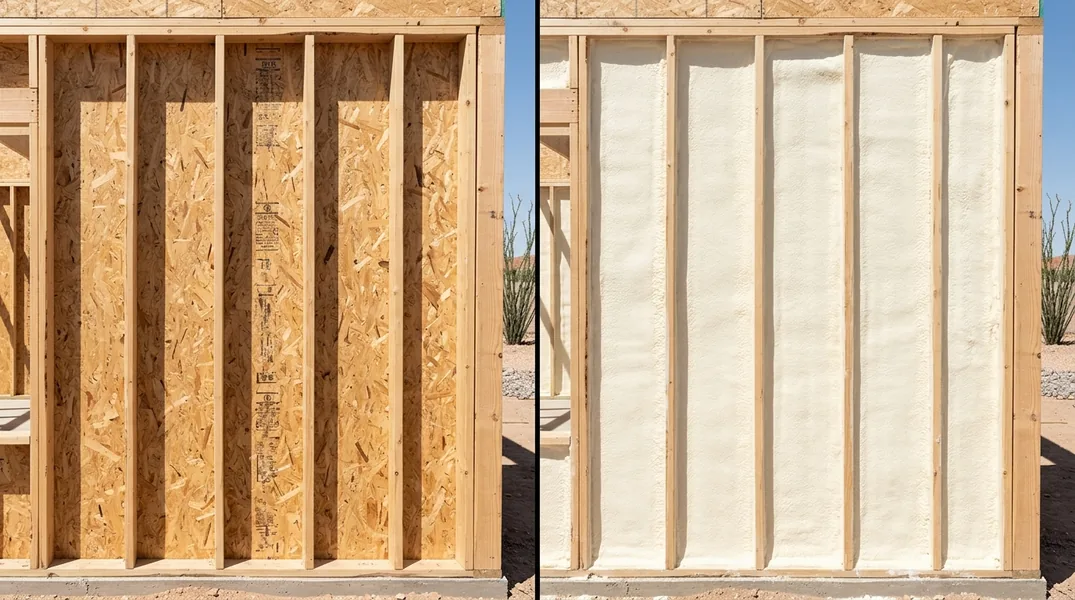
Once the old insulation has been removed and your attic space is clean and dry, you'll need to address any underlying moisture issues. This might include repairing roof leaks, improving attic ventilation, or installing vapor barriers. After these corrections are made, you can proceed with insulation replacement. Many homeowners in the region are choosing spray foam solutions because they provide superior moisture resistance compared to traditional fiberglass or cellulose products. Spray foam adheres to surfaces and creates an air-tight seal that prevents future water infiltration and improves your home's overall energy performance.
Attic Spray Foam Insulation Cost in El Paso: What to Budget
When planning for insulation replacement, understanding the financial investment is important. The cost of removing old insulation varies based on the square footage of your attic, the type of insulation present, and the extent of contamination or mold. Typically, homeowners can expect to budget between one and three dollars per square foot for professional old insulation removal cost, though prices may be higher if hazardous materials are present.
Spray foam insulation installation represents a larger upfront investment than traditional insulation, but the long-term savings often justify the expense. Closed Cell Spray Foam Insulation typically costs more than Open Cell Spray Foam Insulation, but offers superior moisture resistance and structural support. Many El Paso homeowners find that the improved energy efficiency, reduced cooling costs, and protection against future water damage make spray foam a worthwhile long-term investment. To understand the specific pricing for your attic project, contact El Paso Spray Foam Insulation at (915) 213-7582 for a detailed assessment and free estimate.
Why Spray Foam Outperforms Traditional Insulation After Storm Damage
Traditional insulation materials like fiberglass batts and blown-in cellulose absorb moisture like a sponge, which is why they fail so dramatically after monsoon flooding. Once saturated, these materials lose their insulating value and become breeding grounds for mold and mildew. Spray foam, by contrast, is inherently moisture-resistant. It doesn't absorb water and creates an impermeable seal that prevents moisture from entering your attic space in the first place. This makes it an ideal solution for homeowners who have experienced water damage and want to prevent future problems.
Beyond moisture resistance, spray foam provides superior air sealing. Traditional insulation leaves gaps and spaces that allow air to bypass the insulation layer, reducing its effectiveness. Spray foam expands to fill every cavity and crack, creating a complete thermal and air barrier. This comprehensive sealing prevents hot or cold air from escaping your home, which means your HVAC system runs more efficiently and your energy bills stay lower year-round. For El Paso homeowners dealing with monsoon season and intense summer heat, this performance advantage translates directly into comfort and savings.
Steps to Take Immediately After Discovering Water Damage
If you discover water damage in your attic following a monsoon, don't wait to address it. First, document the damage with photographs for your insurance claim. Next, identify and repair the source of the leak. This might require professional roof inspection to locate the entry point. While waiting for repairs, improve attic ventilation by opening vents or running a dehumidifier if safe to do so, as this helps prevent mold growth. Avoid entering the attic if there are electrical hazards or significant mold present.
Once the roof is repaired and your attic has dried out, contact El Paso Spray Foam Insulation to schedule a professional inspection. Our team can assess the extent of insulation damage, recommend whether removal and replacement is necessary, and discuss the best insulation solution for your home. Whether you need complete insulation removal and replacement or targeted repairs, we'll provide you with a clear plan and transparent pricing. Call us today at (915) 213-7582 to get started.
Looking for a professional spray foam insulation contractor in El Paso? El Paso Spray Foam Insulation responds fast for all your spray foam insulation needs.
Get a Free Quote